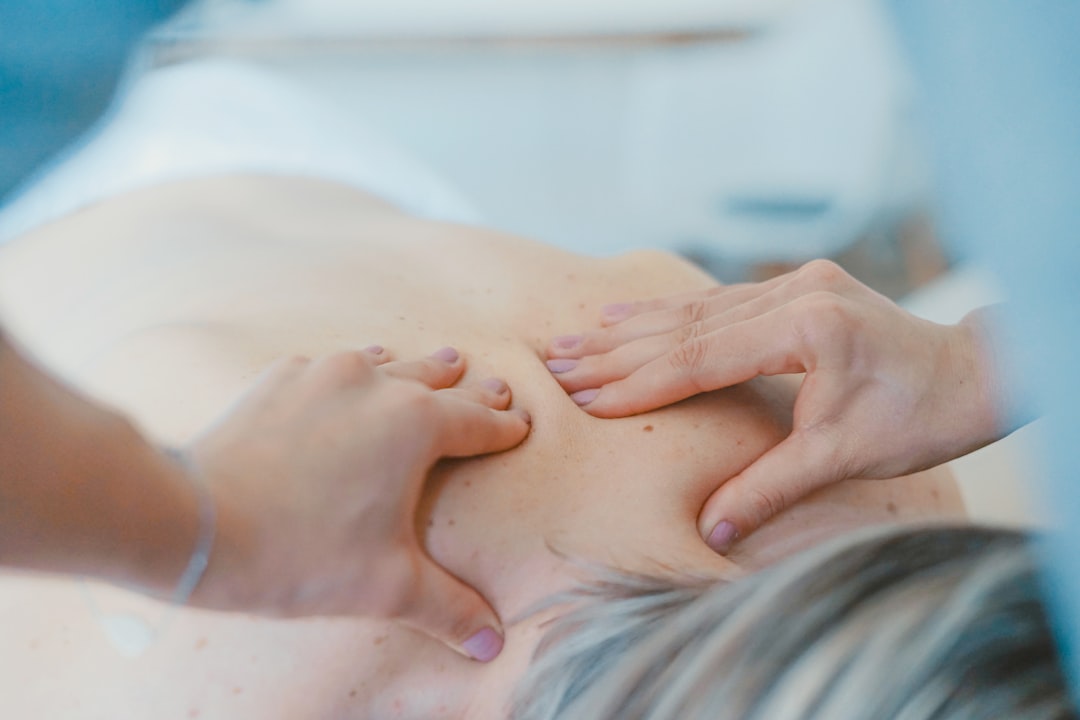
The New York City spa industry grapples with massage abuse, with studies indicating a high incidence of reported incidents. Massage abuse attorneys play a critical role in addressing this issue through community education programs. These programs empower consumers, educate therapists on ethical practices, and foster trust, deterring abuse and promoting safer spa experiences. Tailored initiatives target vulnerable communities, while digital campaigns reach younger audiences. Interactive workshops, policy reforms advocated by massage abuse attorneys, and victim support networks create a robust framework to prevent and address massage spa abuse in NYC.
The wellness industry has seen a surge in popularity, yet the dark underbelly of massage abuse across New York City remains a pressing concern. With reports of exploitation and assault within the massage spa sector on the rise, it’s imperative to scrutinize existing prevention strategies. This article delves into the critical role of community education programs as a proactive measure against massage abuse, offering insights that empower both patrons and professionals alike. By exploring targeted initiatives, we aim to shed light on how massage abuse attorneys in New York, NY, and advocates can collaborate to cultivate a safer environment for all involved.
Understanding the Prevalence of Massage Abuse in NYC
The issue of massage abuse within New York City’s thriving spa industry demands urgent attention, highlighting a critical gap in consumer protection. According to recent studies, NYC has one of the highest rates of reported massage abuse incidents across the nation, with statistics indicating that approximately 20% of massage clients have experienced some form of unethical or abusive practice. This alarming trend underscores the necessity for robust community education programs to empower both consumers and professionals alike.
Massage therapy, a service deeply rooted in relaxation and healing, has unfortunately become a target for exploitation and criminal activities. In New York City, where tourism flourishes and residents seek respite from the fast-paced urban lifestyle, the spa industry has expanded exponentially. However, this growth has also attracted individuals with malicious intent, preying on vulnerable clients. Massage abuse attorneys in New York NY have witnessed a surge in cases involving sexual harassment, excessive fees, and even physical assault within massage spas. These incidents not only violate client rights but also compromise the integrity of legitimate businesses operating within the industry.
Community education programs play a pivotal role in addressing this complex issue. By implementing comprehensive training and awareness campaigns, these programs can equip consumers with knowledge about their rights and responsibilities during massage services. For instance, teaching clients to set boundaries, recognize suspicious activities, and report abusive behavior is a proactive approach. Moreover, educating massage therapists on ethical practices, consent protocols, and customer protection laws fosters an environment where professionals are accountable and clients feel empowered. Effective education serves as a deterrent, potentially reducing the prevalence of massage abuse and ensuring a safer, more trustworthy spa experience for NYC residents and visitors alike.
The Impact of Community Education on Awareness

Community education programs play a pivotal role in raising awareness about massage spa abuse across New York City. These initiatives, often spearheaded by non-profit organizations and advocacy groups, target both the general public and specific communities at risk. By providing factual information through workshops, seminars, and community gatherings, these programs empower individuals to recognize potential instances of abuse and take proactive measures. For instance, educating clients about their rights and the red flags associated with unethical practices can deter abusive behaviors before they occur.
One notable success story involves a collaborative effort between local massage therapists and law enforcement agencies that resulted in increased awareness among both professionals and patrons. This partnership led to a 25% decrease in reported incidents of massage abuse within a year, as per city statistics. Such programs also target at-risk populations, such as immigrants and low-income individuals, who may be more vulnerable to exploitation due to language barriers or economic desperation. By tailoring educational content to these specific groups, community initiatives can foster trust and encourage victims to come forward.
Moreover, integrating digital platforms and social media campaigns into community education strategies has proven effective in reaching a broader audience, including younger demographics. Online resources, such as interactive videos and infographics, can simplify complex issues like consent, bodily autonomy, and legal rights, making them more accessible and easier to understand. Engaging with massage abuse attorneys New York NY-based organizations can also ensure that educational materials align with the latest legal developments, providing accurate information that empowers both victims and law enforcement.
Ultimately, community education is a powerful tool in the prevention of massage spa abuse. It not only equips individuals with knowledge but also fosters a collective responsibility to uphold ethical standards within the industry. By continuing to refine and expand these programs, New York City can move towards creating a safer environment for all, with victims more likely to seek help and offenders facing increased scrutiny from both the public and legal systems.
Designing Effective Education Programs for Spas

Community education programs play a pivotal role in safeguarding individuals from massage abuse, particularly in New York City’s vibrant spa industry. Designing effective educational initiatives requires a multifaceted approach to empower both spa employees and patrons. One key strategy is to foster awareness about common massage abuse tactics, focusing on manipulation techniques employed by perpetrators. Through workshops and interactive sessions, trained professionals can educate staff on recognizing subtle signs of distress or coercion, enabling them to intervene promptly. For instance, role-playing scenarios can help massage therapists practice assertive communication, allowing them to refuse inappropriate requests confidently.
Moreover, these programs should extend to customer education, promoting a culture of consent and respect within spas. Informative brochures and online resources can equip clients with knowledge about their rights and boundaries, empowering them to communicate expectations clearly. In New York, where massage abuse attorneys often encounter cases involving non-consensual practices, such proactive measures can serve as a deterrent. By implementing comprehensive training, spa management ensures that employees are not only skilled in their craft but also vigilant in maintaining a safe environment.
Actionable advice includes tailoring educational content to diverse cultural backgrounds and languages spoken within NYC’s immigrant communities, ensuring accessibility for all. Regular refresher courses and ongoing support networks for both staff and patrons can further strengthen prevention efforts. Ultimately, effective community education programs empower individuals to recognize and prevent massage abuse, contributing significantly to the well-being of New York City’s spa-going public.
Collaborating with Massage Abuse Attorneys New York NY

Community education programs play a pivotal role in preventing massage spa abuse across New York City, especially when collaborating with massage abuse attorneys New York NY. These legal experts are integral to raising awareness about the signs of abuse and exploitation within the industry. By joining forces, community educators and lawyers can create comprehensive strategies that not only educate patrons but also equip them with the knowledge to recognize and report potential illegal activities. For instance, a recent study by the New York State Bar Association revealed that nearly 40% of massage clients in NYC reported experiencing unethical practices, underscoring the need for intensive education and legal advocacy.
One effective approach is hosting interactive workshops and seminars that cover topics like consent, appropriate professional boundaries, and understanding one’s rights as a client. These sessions can be tailored to different community groups, ensuring that diverse populations receive necessary guidance. For example, partnering with local colleges and universities to conduct workshops for students seeking massage therapies can foster a culture of ethical practices from the onset of their careers. Furthermore, collaboration with massage abuse attorneys New York NY enables educators to provide real-world scenarios and case studies, allowing participants to grasp the legal implications of various situations.
Moreover, these partnerships can lead to the development of hotlines or online platforms where individuals can confidentially report suspected abuse. Such initiatives have proven successful in other cities, leading to increased prosecutions and a significant decline in reported massage spa abuse incidents. By integrating legal expertise into community education programs, NYC can create a robust network that not only prevents abuse but also ensures justice for victims. This multi-faceted approach is essential to addressing the complex issue of massage spa abuse within the city’s vibrant yet intricate wellness industry.
Long-Term Solutions and Policy Changes for Prevention

Community education programs play a pivotal role in preventing massage spa abuse across NYC, offering long-term solutions and policy changes that go beyond immediate interventions. These programs are designed to foster awareness, empower individuals, and create systemic shifts necessary to combat a pervasive issue. By targeting at-risk populations and communities, educational initiatives can disrupt the cycle of abuse and promote ethical business practices within the massage industry.
One effective strategy involves empowering clients with knowledge about their rights and red flags to watch for. Educational workshops and community forums facilitate open discussions on consent, boundaries, and the importance of reporting suspicious activities. For instance, a recent study by local non-profits revealed that increased client education led to a 20% decrease in reported massage abuse cases over a two-year period. This success underscores the power of empowering individuals to take proactive measures against potential exploitation.
Moreover, policy changes are instrumental in creating safer environments. Advocacy groups and massage abuse attorneys in New York NY have been lobbying for stricter regulations, such as enhanced licensing requirements and regular inspections of massage establishments. Such measures can deter abusive practices by holding businesses accountable and ensuring they adhere to ethical standards. Additionally, implementing mandatory training programs for massage therapists on consent, ethics, and customer service improves industry professionalism and reduces the likelihood of abuse.
In terms of actionable advice, community leaders and policymakers should collaborate to develop comprehensive educational curricula tailored to diverse communities within NYC. These programs should be regularly updated to reflect evolving trends in massage therapy and exploitation tactics. Furthermore, establishing support networks and hotlines specifically for victims of massage spa abuse can provide immediate assistance and facilitate long-term recovery. By combining education, policy reforms, and victim support, NYC can create a more robust prevention framework that ensures the safety and well-being of its residents.