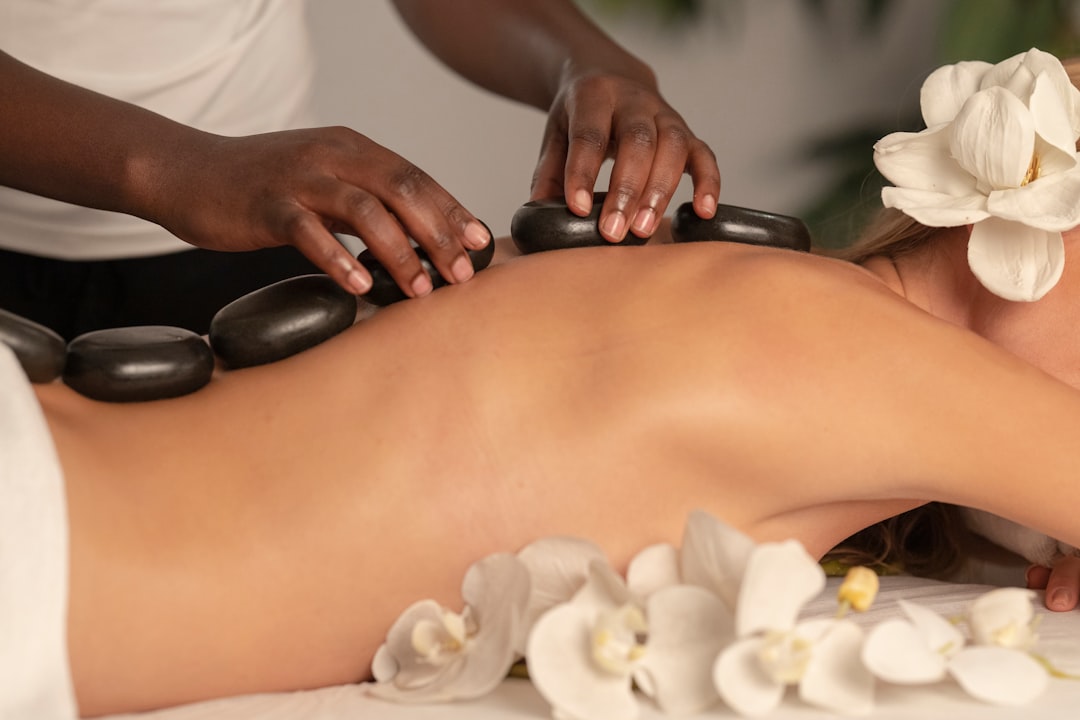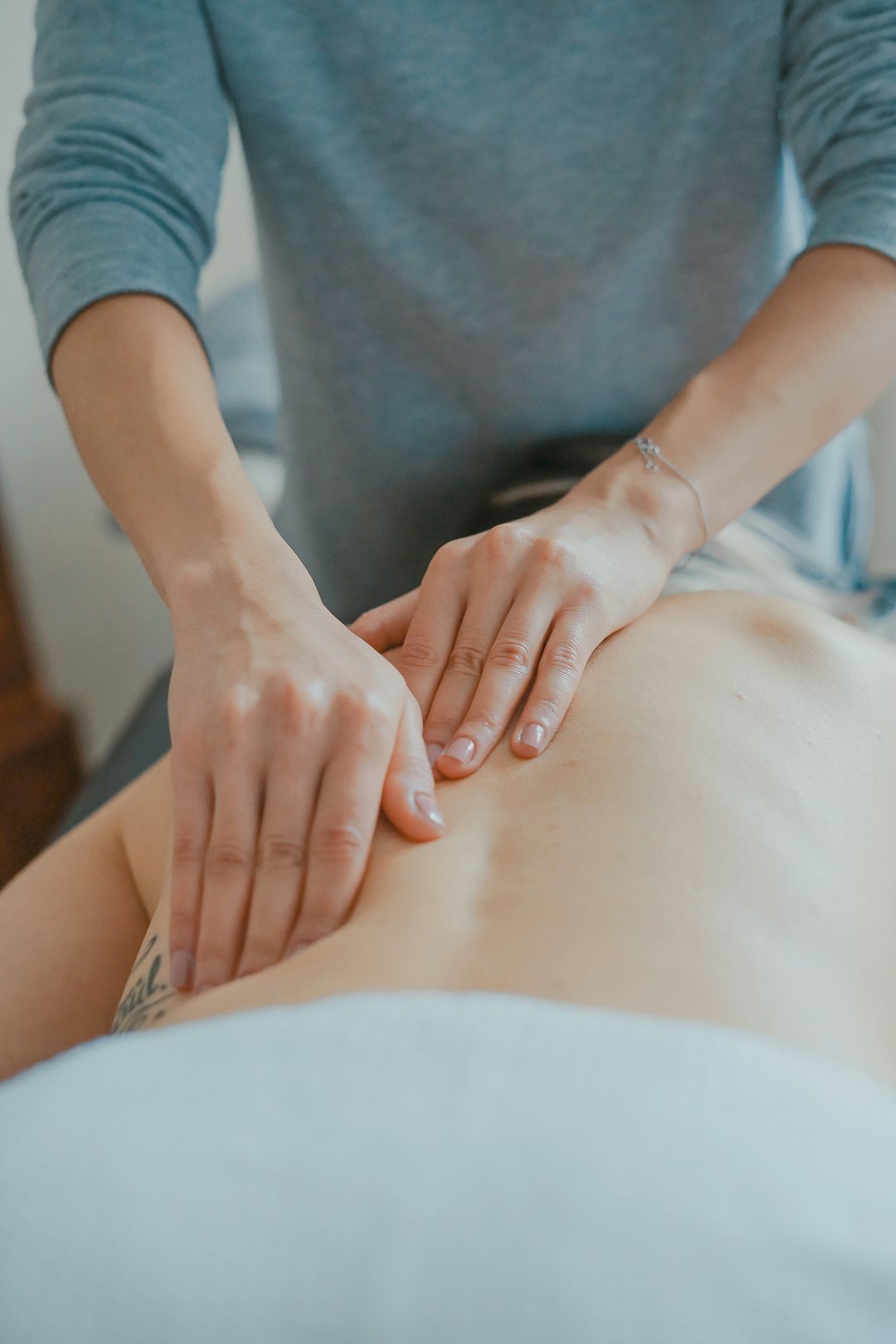
In New York state, consent forms, discussions, and training are vital for ethical massage therapy to prevent abuse. Therapists must balance touch with personal space, recognize cues, and communicate openly about boundaries. Comprehensive training helps navigate complex situations, ensuring all interactions are consensual and respectful. In Upstate NY, where abuse incidents have occurred, therapists should consider legal counsel from a massage abuse lawyer for protection against potential claims. Prioritizing consent and boundaries is crucial for maintaining safety, ethical standards, and compliance with New York state laws.
In the therapeutic realm of massage, establishing clear consent and professional boundaries is paramount to safeguarding clients from potential abuse. Upstate New York, with its thriving wellness scene, demands rigorous training for massage therapists to navigate complex ethical landscapes. This article explores critical aspects such as understanding informed consent, the legal repercussions of its absence, effective training methods, and best practices to foster trust and ensure client safety across the state, emphasizing the role of proactive education in preventing massage therapy abuse.
Understanding Consent: A Cornerstone for Ethical Massage Practice in NY

In the world of massage therapy, understanding consent is a cornerstone for ethical practice in New York state. Consent forms and discussions are not merely administrative tasks; they are vital tools to ensure client safety and empower individuals to make informed decisions regarding their bodies. A massage therapist’s role involves facilitating relaxation and healing, but it also demands a delicate balance between touch and personal space. Training in consent helps therapists navigate this dynamic, recognizing and respecting boundaries while creating a safe environment for clients. This is especially crucial in Upstate NY, where incidents of massage abuse have underscored the need for robust consent practices.
By learning to recognize and respond appropriately to verbal and non-verbal cues, therapists can foster trust and ensure every session aligns with their client’s wishes. Comprehensive training enables them to navigate complex situations, including managing requests for services outside of their scope or addressing unexpected physical reactions. It equips massage professionals in NY with the skills to communicate openly about boundaries, ensuring each interaction is consensual and respectful.
The Impact of Unclear Boundaries: Protecting Clients from Potential Abuse

In the sensitive field of massage therapy, establishing clear boundaries and obtaining informed consent from clients is paramount to ensuring a safe and ethical practice. Unclear or poorly defined boundaries can have severe implications, potentially leading to instances of massage abuse. Clients must be made aware of their rights and the therapist’s limitations from the outset, fostering an environment of trust and mutual respect. Failure to establish these boundaries can result in uncomfortable or even harmful experiences for clients, which may lead to legal repercussions as outlined by New York State laws regarding professional conduct.
Massage therapists in Upstate NY have a responsibility to educate themselves on consent and boundary setting to protect their clients from potential abuse. This includes understanding the legal ramifications of inappropriate contact, personal space invation, or any form of unconsented physical interaction. A well-trained therapist can create a safe haven for clients, ensuring they feel empowered to communicate their needs and boundaries while receiving therapeutic massage.
Legal Implications of Massage Therapy without Informed Consent in Upstate New York

Massage therapists in Upstate New York must understand the legal implications of their practice, particularly regarding consent and boundaries. Without informed consent, a massage therapist could face serious legal consequences, including charges of sexual abuse or assault. New York state laws require clients to give clear, voluntary, and enthusiastic consent for any form of touch during a massage session. Failure to obtain this consent can lead to civil lawsuits and criminal charges, especially if the client alleges that the therapist crossed professional boundaries or engaged in inappropriate conduct.
A massage abuse lawyer in New York can help therapists navigate these complex issues and ensure they are protected legally. Therapists must be vigilant about communicating with clients, setting clear expectations, and respecting personal space to avoid any misunderstandings or allegations of misconduct. By prioritizing consent and boundaries, massage therapists can foster a safe and therapeutic environment for their clients while safeguarding themselves from potential legal repercussions.
Effective Training Methods to Educate Massage Therapists on Consent and Boundaries

Massage therapists play a crucial role in promoting relaxation and healing, but it’s essential to ensure their training includes comprehensive education on consent and boundaries. Effective methods for teaching these vital skills involve interactive workshops, role-playing scenarios, and case studies that mimic real-life situations. These practical approaches enable therapists to grasp the nuances of obtaining informed consent, recognizing personal boundaries, and navigating ethical dilemmas.
In Upstate NY, where instances of massage abuse have been reported, rigorous training becomes even more critical. A massage therapist with robust knowledge in this area can foster a safe environment for clients. Interactive sessions should cover topics like verbal communication, non-verbal cues, setting limits, and handling refusals. By employing these training methods, therapists can confidently respect client autonomy while providing exceptional therapeutic services, thus upholding the highest standards of care and professional ethics.
Building Trust and Ensuring Safety: Best Practices for Massage Businesses Across NY

Building trust and ensuring safety are paramount in the massage therapy industry, as it helps to foster a positive and therapeutic environment for both therapists and clients. Across Upstate New York, massage businesses must prioritize best practices regarding consent and boundaries to protect their clients from potential abuse and maintain ethical standards. A thorough understanding of informed consent is crucial; therapists should clearly communicate treatment options, expected outcomes, and potential risks or discomforts to clients before any service is rendered. This includes obtaining verbal or written consent, ensuring clients feel comfortable asking questions, and addressing any concerns.
Furthermore, establishing clear boundaries is essential to prevent professional misconduct and malpractice claims, which are increasingly common in the event of massage abuse allegations. Therapists should maintain appropriate physical and emotional distances during sessions, respect client privacy, and avoid personal interactions outside of scheduled appointments. Regular training on consent and boundary issues can help massage businesses across NY stay compliant with legal requirements and industry standards, while also fostering a culture of safety and professionalism among therapists and clients alike.