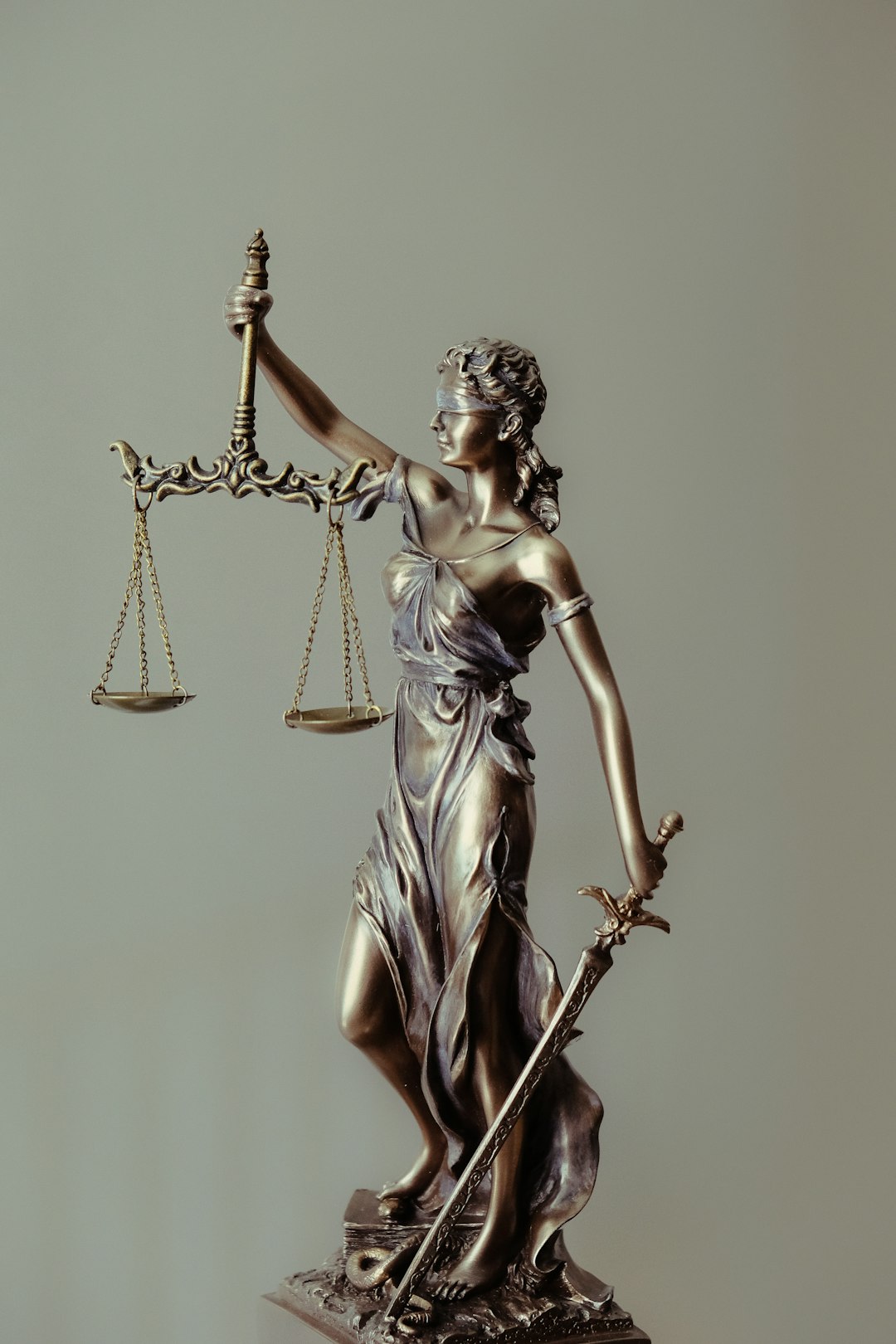
Massage Spa Abuse Lawyer New York NY: Navigating the Complexities of Legal Protection
Introduction
In the tranquil haven of wellness retreats, where relaxation meets rejuvenation, a critical aspect often goes unseen—the legal framework safeguarding individuals from potential abuse within massage spas. This article delves into the realm of "Massage Spa Abuse Lawyer New York NY," exploring its multifaceted nature, impact, and significance in ensuring client safety and advocacy. We will dissect the various layers of this specialized field, shedding light on its historical evolution, global reach, economic implications, technological integrations, regulatory landscape, challenges, and promising future prospects. By the end, readers will gain a comprehensive understanding of why this niche legal practice is not just relevant but essential in today's wellness industry.
Understanding Massage Spa Abuse Lawyer New York NY: A Specialized Legal Niche
Definition and Core Components
Massage spa abuse lawyer New York NY refers to a specialized legal practice focused on addressing and preventing instances of misconduct, abuse, or exploitation within massage spas and related wellness establishments. This includes, but is not limited to, cases of sexual harassment, assault, unfair labor practices, discrimination, and breach of client privacy. The core components encompass:
- Legal Expertise: Lawyers in this field possess a deep understanding of state and federal laws pertaining to massage therapy, employment, civil rights, and consumer protection.
- Industry Knowledge: They stay abreast of industry trends, regulatory changes, and emerging forms of abuse, enabling them to offer tailored strategies for prevention and resolution.
- Client Advocacy: The primary goal is to protect the rights of clients, ensuring they receive safe, ethical, and professional services during their spa experiences.
Historical Context and Significance
The concept of massage spa abuse law emerged in response to increasing awareness of human trafficking, sexual exploitation, and labor rights violations within the wellness industry. Historically, spas and massage clinics have been associated with unscrupulous practices, particularly in regions with weak regulations. Over time, legal frameworks evolved to address these issues, leading to the establishment of specific laws protecting clients and workers' rights.
In New York City, a bustling metropolis known for its diverse wellness scene, the need for specialized legal services became apparent due to the city's large number of massage spas and tourist attractions. The unique challenges faced by spa-goers and employees, such as language barriers, cultural differences, and power imbalances, necessitated a tailored legal approach. Thus, massage spa abuse lawyers emerged as advocates, safeguarding individuals within this niche sector.
Global Impact and Trends: A Worldwide Concern
International Influence
The issue of massage spa abuse transcends geographical boundaries, making it a global concern. As international travel becomes more accessible, tourists are increasingly seeking wellness retreats abroad. This trend has led to the growth of spas in popular travel destinations, raising awareness about potential risks. Many countries have responded by implementing legal frameworks inspired by New York's model, creating a ripple effect across continents.
Regional Variations and Key Trends
- Asia: Countries like Thailand, known for its traditional Thai massage, have faced challenges related to human trafficking and forced labor in spa settings. Local governments have responded with stricter regulations and law enforcement initiatives.
- Europe: The European Union has established directives to protect workers' rights across borders, ensuring fair labor practices in spas and wellness centers.
- North America: The United States, including New York, continues to refine its legal frameworks, focusing on consumer protection, workplace safety, and anti-trafficking measures. Canada has also implemented robust regulations, particularly in provinces with high tourist traffic.
Emerging Trends
- Digital Verification: Online platforms are introducing digital verification processes for spa staff, helping customers make informed choices.
- AI-Powered Safety: Artificial intelligence is being utilized to monitor and flag suspicious activities within spas, enhancing safety measures.
- Community Collaboration: Local communities and law enforcement agencies are partnering to create support networks for victims of spa-related abuse.
Economic Considerations: Market Dynamics and Legal Impact
Market Overview
The global wellness tourism market, a significant contributor to the economy, is expected to reach USD 937 billion by 2025 (Source: Grand View Research). Massage spas play a pivotal role in this sector, with New York City boasting a vibrant spa industry, attracting both locals and tourists.
Investment Patterns
The rise of luxury wellness retreats and boutique spas has attracted significant investment, especially in urban centers. However, the legal landscape significantly influences investment decisions, as investors seek assurance regarding compliance and risk mitigation.
Legal-Economic Interplay
- Consumer Protection: Strong legal frameworks protect consumers, fostering trust and encouraging tourism.
- Business Compliance: Spas must adhere to fair labor practices, health and safety regulations, and data privacy laws, ensuring long-term sustainability.
- Reputational Risk: Massage spa abuse cases can severely damage a spa's reputation, impacting its financial health. Thus, proactive legal measures are essential for risk management.
Technological Advancements: Enhancing Safety in the Digital Age
AI and Machine Learning
Artificial Intelligence (AI) is revolutionizing many industries, and the wellness sector is no exception. AI-powered tools can analyze large datasets to identify patterns and potential risks within spa operations:
- Background Checks: Advanced background screening tools use AI to verify staff credentials and history, reducing the risk of abuse.
- Activity Monitoring: AI algorithms can monitor online activities, helping detect suspicious behavior or human trafficking indicators.
- Customer Feedback Analysis: Sentiment analysis of customer reviews can identify potential issues, allowing spas to take preventive measures.
Blockchain for Transparency
Blockchain technology offers a secure and transparent way to manage employee records, client data, and payment transactions:
- Secure Data Storage: Blockchain ensures the integrity of staff profiles, making it difficult to alter or falsify information.
- Smart Contracts: These self-executing contracts can automate processes like booking, payments, and service agreements, enhancing transparency.
- Supply Chain Tracking: For spas sourcing natural ingredients, blockchain enables traceability, ensuring ethical sourcing practices.
Internet of Things (IoT)
IoT devices can enhance spa safety by enabling real-time monitoring:
- Smart Locks: IoT-enabled locks can provide secure access control, preventing unauthorized entry and potential abuse.
- Wearable Devices: Staff and clients can wear tracking devices for immediate assistance in emergencies.
- Environmental Sensors: These sensors detect unusual conditions, such as elevated temperature or carbon monoxide levels, ensuring client safety.
Policy and Regulation: A Framework for Safety
Legal Landscape in New York
New York State has implemented a comprehensive legal framework to address massage spa abuse:
- Human Trafficking Laws: The state's strict anti-trafficking legislation includes provisions for spas, with penalties for violations.
- Labor Laws: The New York Department of Labor oversees fair labor practices, minimum wage, and overtime regulations for spa employees.
- Civil Rights: The Civil Rights Law protects individuals from discrimination and harassment, applicable in spa settings.
- Consumer Protection: The New York State Attorney General's office actively enforces laws against deceptive business practices and unfair contracts.
National and International Regulations
- U.S. Department of Labor: Offers guidelines for fair labor practices in spas, including record-keeping and anti-retaliation provisions.
- International Labour Organization (ILO): Has developed conventions and recommendations to combat forced labor and human trafficking globally.
- Council of Europe: Adopted the Convention on the Protection of Human Rights and Dignity against Exploitation and Abuse in the Context of Sexual Services, providing a regional legal framework.
Challenges and Criticisms: Overcoming Barriers to Progress
Main Challenges
- Enforcement and Resources: The vast size of New York City's spa industry poses challenges in enforcement, requiring dedicated resources and specialized investigators.
- Language and Cultural Barriers: Non-English speaking clients or those from diverse cultural backgrounds may face communication obstacles when reporting abuse.
- Lack of Uniform Standards: Spas in different regions or states may operate under varying legal frameworks, creating disparities in protection levels.
- Stigma and Underreporting: Victims of spa abuse often face stigma, fear of retaliation, or lack of awareness about their rights, leading to low reporting rates.
Proposed Solutions
- Dedicated Law Enforcement Units: Establish specialized units within local police departments to handle spa-related cases effectively.
- Multilingual Support: Ensure spas provide multilingual resources and staff training to address language barriers.
- Standardized Legal Frameworks: Advocate for uniform state laws to create a consistent level of protection across New York and the nation.
- Public Awareness Campaigns: Educate the public about spa abuse, its signs, and available resources, encouraging victims to come forward.
Case Studies: Success Stories in Spa Abuse Prevention
Case Study 1: "The Oasis" - A Model Spa with Robust Safety Measures
Setting: A luxury spa in Manhattan, New York City.
Challenges: As a high-end facility, "The Oasis" faced the dual challenges of attracting a diverse clientele and maintaining exceptional safety standards.
Strategies:
- Implemented advanced background screening for all staff using AI-powered tools, ensuring thorough verification.
- Introduced smart locks on treatment rooms and secure data storage for client information.
- Trained staff in recognizing signs of human trafficking and abuse, emphasizing a zero-tolerance policy.
- Developed an app for clients to book appointments and provide real-time feedback, enhancing transparency.
Outcome: "The Oasis" experienced a significant reduction in complaints and incidents, becoming a benchmark for industry safety standards. Their proactive approach attracted media attention and inspired other spas to adopt similar measures.
Case Study 2: Community Collaboration in Small Town Spas
Setting: A small town spa in upstate New York.
Challenge: The local spa, a beloved community gathering place, faced issues with employee turnover and client complaints related to unfair wages.
Collaboration: The spa owner partnered with local law enforcement, community activists, and legal aid organizations:
- Conducted regular training sessions for staff on labor rights, harassment prevention, and safety protocols.
- Established a support network for employees facing challenges, offering counseling and legal assistance.
- Organized community events to raise awareness about spa-related abuse and the importance of fair practices.
Impact: The collaborative efforts led to improved employee retention, increased client satisfaction, and a thriving local wellness business. This model demonstrated that community engagement can significantly contribute to spa safety and sustainability.
Future Prospects: Emerging Trends and Strategic Considerations
Potential Growth Areas
- Wellness Tourism: As wellness travel gains popularity, spas in rural or lesser-known destinations may experience growth, requiring tailored legal support.
- Online Spa Platforms: The rise of online booking platforms raises concerns about user safety and dispute resolution, necessitating regulatory interventions.
- Alternative Therapies: Growing interest in holistic treatments may prompt the need for specialized legal guidance regarding traditional practices.
Emerging Trends to Watch
- Digital Identity Verification: Further integration of AI and blockchain technology for secure customer and staff identification.
- Telehealth Services: Spas offering remote consultations and treatments may face new legal considerations, requiring adaptable frameworks.
- Sustainability and Ethical Sourcing: Consumers are increasingly conscious of sustainability; legal advice on ethical supply chains will be valuable.
Strategic Considerations
- Proactive Compliance: Spas should adopt a proactive approach to compliance, staying updated with legal developments and industry best practices.
- Customer Education: Empowering clients through education about their rights and spa safety can complement legal efforts.
- Industry Collaboration: Spa owners and managers can collaborate to share resources, training materials, and success stories, fostering a culture of safety.
Conclusion: A Vital Legal Niche for Safer Wellness Spaces
The concept of massage spa abuse lawyer New York NY transcends the boundaries of traditional legal practice, encompassing a complex web of social, economic, and technological factors. As the wellness industry continues to evolve, so too must the legal frameworks that protect individuals within it. This article has explored the multifaceted nature of this specialized field, highlighting its historical context, global impact, economic considerations, technological advancements, policy landscape, challenges, and promising future prospects.
By understanding and addressing massage spa abuse, lawyers play a pivotal role in creating safer, more inclusive wellness spaces. As the world navigates the digital age and increasingly seeks holistic well-being solutions, the legal profession must adapt to ensure protection for all. This article aims to shed light on this essential yet often overlooked aspect of the wellness industry, encouraging further dialogue and action.
FAQ Section: Addressing Common Concerns
Q: What are the primary legal issues faced by massage spas?
A: Common legal issues include labor law violations (e.g., unfair wages, overtime), human trafficking and exploitation, sexual harassment or assault, discrimination, breach of privacy, and consumer protection concerns.
Q: How can AI help in preventing spa abuse?
A: AI-powered tools enhance safety by verifying staff credentials, monitoring online activities for suspicious behavior, analyzing customer feedback, and enabling secure data storage.
Q: Are there international standards for spa safety?
A: Yes, the International Labour Organization (ILO) has developed conventions to combat forced labor, and the Council of Europe has a convention protecting human rights in the context of sexual services. Many countries also have their own legal frameworks inspired by New York's model.
Q: What should spas do to ensure customer safety?
A: Spas should implement robust background checks for staff, provide multilingual resources, train employees on abuse prevention and harassment policies, utilize smart technology for security (e.g., IoT devices), and foster an open dialogue with customers about their rights and concerns.